· Digital Footprint Check · Content Marketing · 20 min read
The Best Identity Theft Protection Reddit Recommends in 2026
Looking for the best identity theft protection Reddit trusts? Our 2026 guide compares Aura, LifeLock, and OSINT tools, with community-vetted pros and cons.

A common Reddit story starts with a small surprise. A bank flags a credit card application you never made, or a loan inquiry appears on your report, or an old username tied to a public profile gives a scammer enough pieces to test account recovery options. That urgency is why people search for the best identity theft protection Reddit users trust. They want advice shaped by real frustration, not sales copy.
Across those discussions, one pattern shows up again and again. Reddit users tend to separate prevention from monitoring. Prevention is the lock on the door. Monitoring is the alarm that tells you someone tried the handle. Many posters point out that freezing your credit with Equifax, Experian, and TransUnion does more to stop new account fraud than any alert after the fact.
That skeptical streak is useful. It keeps the conversation grounded. Paid services can still help, especially if you want restoration support, identity monitoring beyond credit files, insurance, or family plans. But Reddit rarely treats a subscription as the starting point. The more practical advice usually begins with two questions: what information about you is already exposed, and which risks are you trying to reduce?
That first question gets missed a lot. A service can watch for trouble, but it cannot change the fact that your email, phone number, old usernames, and public records may already be easy to find. Learning what identity theft protection actually covers helps, but it also helps to examine your digital footprint before choosing a product. That is one reason some Reddit users pair identity monitoring with DIY checks, breach searches, account hardening, and even OSINT-style self-audits.
OSINT sounds technical, but the idea is simple. It means collecting information from public sources and putting the pieces together. A scammer does not need one dramatic leak if they can gather small clues from many places. Reddit discussions often reflect that reality better than polished review pages do. They compare paid subscriptions with do-it-yourself habits, and they often overlap with broader advice about the best security software solutions because identity theft protection works best as one layer in a larger personal security setup.
That is the key insight inside the noise. Reddit users are not just asking which company has the loudest alerts. They are trying to figure out what prevents fraud, what only reports it, and what parts of the job they can handle themselves before paying for extra help.
1. Digital Footprint Check
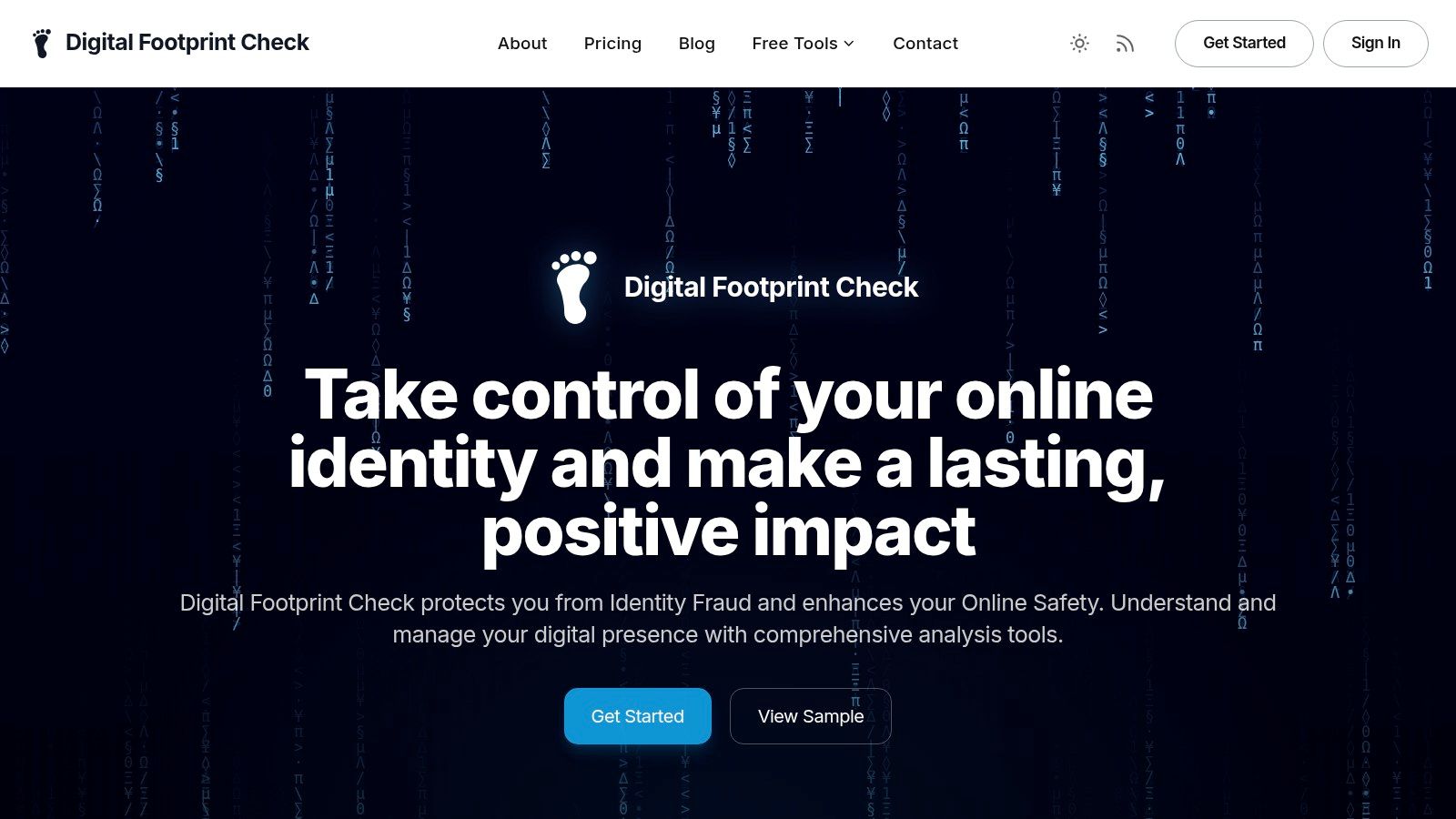
A lot of Reddit advice starts too late. It starts after a breach alert, after a weird credit inquiry, or after a fake profile appears. Digital Footprint Check is useful earlier in the process, when you’re trying to answer a simpler question: what can strangers already find about me?
Identity theft usually isn’t just one leak; it’s a puzzle built from fragments. An old username on a gaming forum, a phone number in a public record, an email in a breach database, and a social profile with your birthday can all help a scammer impersonate you or bypass weak account recovery checks.
Why it fits Reddit-style thinking
Digital Footprint Check uses an OSINT approach. OSINT means open source intelligence. In plain language, it’s the practice of collecting information from public or accessible sources and organizing it into something useful. It’s similar to searching your own name, usernames, phone numbers, and emails across the internet; however, the tool does so in a much more structured way.
The platform says it scans more than 500 sources across social platforms, public records, gaming platforms, and breach databases, then turns the results into an easy report. It also offers free entry points, including a free checker and breach check, which lines up with the Reddit habit of trying the DIY path first.
Practical rule: Before you pay for monitoring, find out what’s already exposed. You can’t protect what you haven’t mapped.
One reason this tool stands out is that it doesn’t frame identity theft as only a credit problem. If you’re a job seeker, exposed profiles can affect reputation. If you’re a parent, a family member’s overshared details can become a safety issue. If you’re a gamer, old usernames can tie together accounts you thought were separate.
What it does well
- Broad visibility: It looks across social accounts, breach data, public records, and gaming platforms for a more unified picture of exposure.
- Actionable next steps: Reports include DIY removal and remediation guidance, so you’re not left with a list of problems and no plan.
- Privacy-first positioning: The company states that it uses 256-bit encryption, follows GDPR requirements, and doesn’t sell user data.
- Flexible starting point: You can begin with free tools and then decide whether ongoing monitoring is worth it.
If you’re still new to the category, their guide on what identity theft protection means is a good primer. It pairs well with broader digital hygiene, including the kind of layered defense discussed in best security software solutions.
Digital Footprint Check won’t remove your data for you. It shows you where to look and how to act. For many Reddit users, that tradeoff makes sense. They’d rather know exactly what’s exposed, then decide whether they need a full-service recovery product afterward.
2. Aura

Aura comes up often when people want one subscription instead of a patchwork of apps and services. Its appeal is simple. You get identity monitoring, credit monitoring, device security, and family-oriented tools in one place.
That all-in-one approach matches a common Reddit complaint about this category. Some services monitor identity risks well but do very little for the devices and accounts that caused the exposure in the first place. Aura tries to cover both sides.
Who tends to like it
Aura usually makes sense for households that want fewer moving parts. If you’re already juggling antivirus, a password manager, a VPN, and family safety tools, bundling them can be easier than maintaining separate subscriptions.
Its strongest pitch is convenience. Reddit users who compare Aura and LifeLock often say they prefer Aura when they want simpler packaging and less guesswork around what’s included.
- Bundled coverage: It combines credit monitoring, dark web monitoring, password management, VPN access, and antivirus-style protection.
- Family-friendly setup: It’s often considered by parents who want one dashboard instead of several.
- Good fit for non-technical users: If you don’t want to assemble your own stack, Aura reduces friction.
That said, Reddit users also tend to be skeptical of any provider that claims total safety. No paid service is bulletproof, and no monitoring plan replaces account hardening. If you’re considering Aura, pair it with basic habits like freezing credit and following practical guidance on how to prevent identity theft online.
3. Norton LifeLock
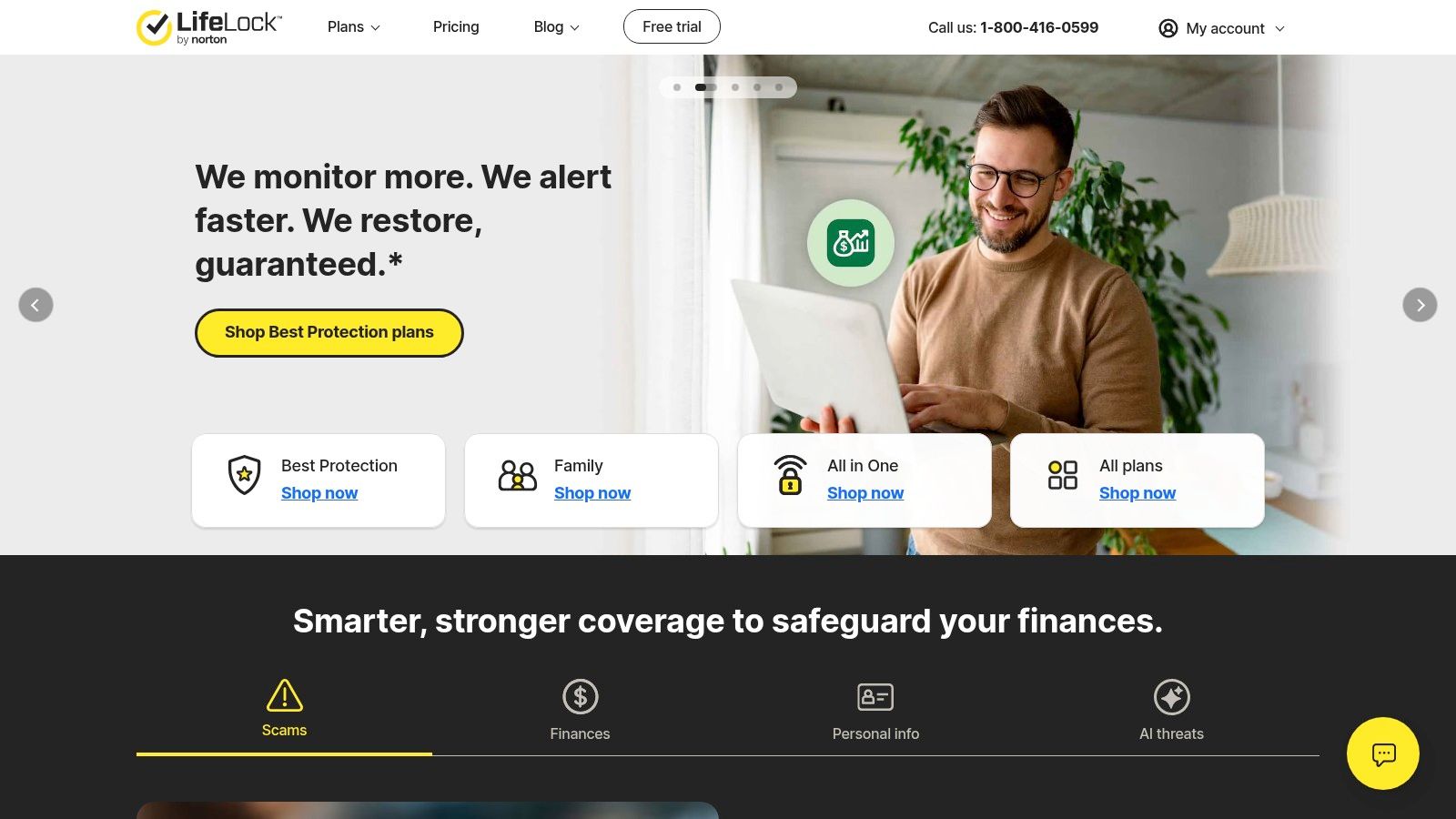
Your wallet is still in your pocket, but a new credit card alert hits your phone. Then a bank email arrives. Then a password reset you did not request. That is the kind of moment Norton LifeLock is built for. On Reddit, it comes up often because people recognize the name and assume a large company may be better equipped to help during the messy recovery phase.
That distinction matters. Identity protection has two jobs. First, it watches for warning signs such as credit activity, account changes, or personal data showing up in the wrong places. Second, it helps you clean up after fraud starts. Reddit discussions about LifeLock usually focus less on the monitoring itself and more on whether the restoration support feels worth paying for.
Where it stands out
Norton LifeLock appeals to buyers who want a familiar brand and a menu of plans, not a single one-size-fits-all package. Some tiers focus more on identity monitoring. Others add Norton device security tools such as antivirus or VPN access. That can work well if you would rather keep billing and support under one roof.
A simple way to think about it is this: credit monitoring is the smoke alarm, and restoration support is the fire crew. The alarm helps you notice a problem. The recovery team matters if someone opens accounts in your name, changes your mailing address, or forces you to spend hours disputing fraud.
Reddit users are often skeptical of the pricing structure, and that skepticism is fair. LifeLock’s plans can be harder to compare than they first appear, especially once intro pricing ends and feature differences start to matter. Buyers who do best with it usually choose based on recovery help first, then decide whether the bundled device tools are useful or just extra clutter.
Before paying for any monitoring service, it also helps to shrink the amount of personal information floating around online. A practical starting point is learning how data broker removal works, because fewer exposed records can mean fewer opportunities for scammers to piece together your identity.
Norton LifeLock makes the most sense for people who want recognizable support, are willing to read plan details carefully, and prefer a combined identity and security subscription over a DIY setup.
4. IdentityForce

IdentityForce tends to attract people who want strong identity monitoring without as much emphasis on device security extras. It’s often viewed as a more traditional identity protection product, with restoration support and optional credit-focused upgrades.
That narrower focus can be a benefit. If you already have antivirus, a VPN, and a password manager you like, you may not want to pay again for a bundled suite.
Best fit
IdentityForce works well for buyers who care most about account monitoring, dark web checks, and recovery support. It also makes sense for families that want a recognizable identity-focused product without paying for features they won’t use.
Its positioning is straightforward. You’re buying identity protection first, not a giant cybersecurity bundle.
- Strong monitoring core: It focuses on the alerts and identity-specific signals many buyers want.
- Restoration support: This is the feature category Reddit users often say matters most once fraud starts.
- Less software clutter: You won’t be pushed as heavily into a device-security ecosystem.
For people who want to reduce the amount of personal information available to scammers in the first place, it’s worth combining a service like this with data broker removal guidance. That’s especially useful if your name, age range, relatives, and past addresses are easy to find online.
5. Identity Guard

Identity Guard often appeals to buyers who want core monitoring without jumping straight into a larger, more expensive suite. It’s commonly treated as the leaner sibling in a family of products that also includes Aura under the same parent company.
That makes it easier to explain. If Aura feels like the all-inclusive bundle, Identity Guard feels closer to a focused monitoring service with fewer extras.
Why Reddit users mention it
Some Reddit users want a lower-cost entry point. They don’t need VPNs, antivirus tools, or family device management. They just want identity monitoring, alerts, and a service that’s easier on the budget.
Identity Guard is a reasonable answer for that use case. It’s not trying to be your entire digital life stack. It’s trying to cover the identity side well enough for someone who already has the rest sorted.
Key takeaway: The best service isn’t the one with the longest feature list. It’s the one you’ll actually keep using and understand when an alert arrives.
If your concern is specifically breach exposure and dark web monitoring, compare any paid plan against your actual risk profile first. A practical starting point is learning what these services watch for in best dark web monitoring services. That helps you separate useful alerts from marketing noise.
6. IDX Identity
IDX Identity is one of those names many people encounter through a breach notice before they ever shop for identity protection on purpose. That history shapes how people see it. It’s often associated with breach response and hands-on recovery support rather than flashy consumer branding.
That can be reassuring if your main worry is remediation. Some companies are good at selling peace of mind. Others have more experience walking people through the mess after a breach.
Why it deserves a spot
IDX emphasizes recovery specialists and breach-response workflows. If your employer offers it as a benefit, or you’ve received access after a company breach, it may be a practical first service to try because the enrollment path is already there.
Its consumer-facing experience can feel less polished than some retail-first competitors, but that isn’t always a bad sign. For someone dealing with a real identity issue, responsive restoration often matters more than app aesthetics.
- Restoration-first mindset: Useful for people who care more about help during a crisis than an oversized dashboard.
- Common through employer or breach channels: Many users don’t seek it out. They inherit it through circumstances.
- Privacy tools included: It usually covers the expected basics around monitoring and account risk.
If you’re deciding between IDX and a more retail-focused brand, ask a simple question. Are you buying prevention, or are you buying recovery assistance?
7. Allstate Identity Protection
Allstate Identity Protection has built much of its visibility through employer benefit programs and family-oriented plans. That gives it a slightly different path into people’s lives. Instead of being discovered through a big consumer search, it’s often offered at work or bundled into benefits conversations.
For some buyers, that’s enough to move it up the list. If payroll deductions or employer-sponsored access make it easier to enroll, many people will choose the option that feels administratively simple.
Practical use case
This service is most appealing to families and employees who want one plan with broad household coverage. It also gets attention from people who value restoration support and financial monitoring, but don’t necessarily need a lot of extra device-security features.
Allstate’s challenge is clarity. Depending on where you encounter it, the pricing and feature presentation can feel different. That doesn’t make it a bad option, but it does mean you should compare the exact version you’re being offered, not just the brand name.
What Reddit users often want from a family plan is predictable support if a child, spouse, or older parent has a problem. Allstate fits that conversation better than some single-user-first products.
8. Experian IdentityWorks
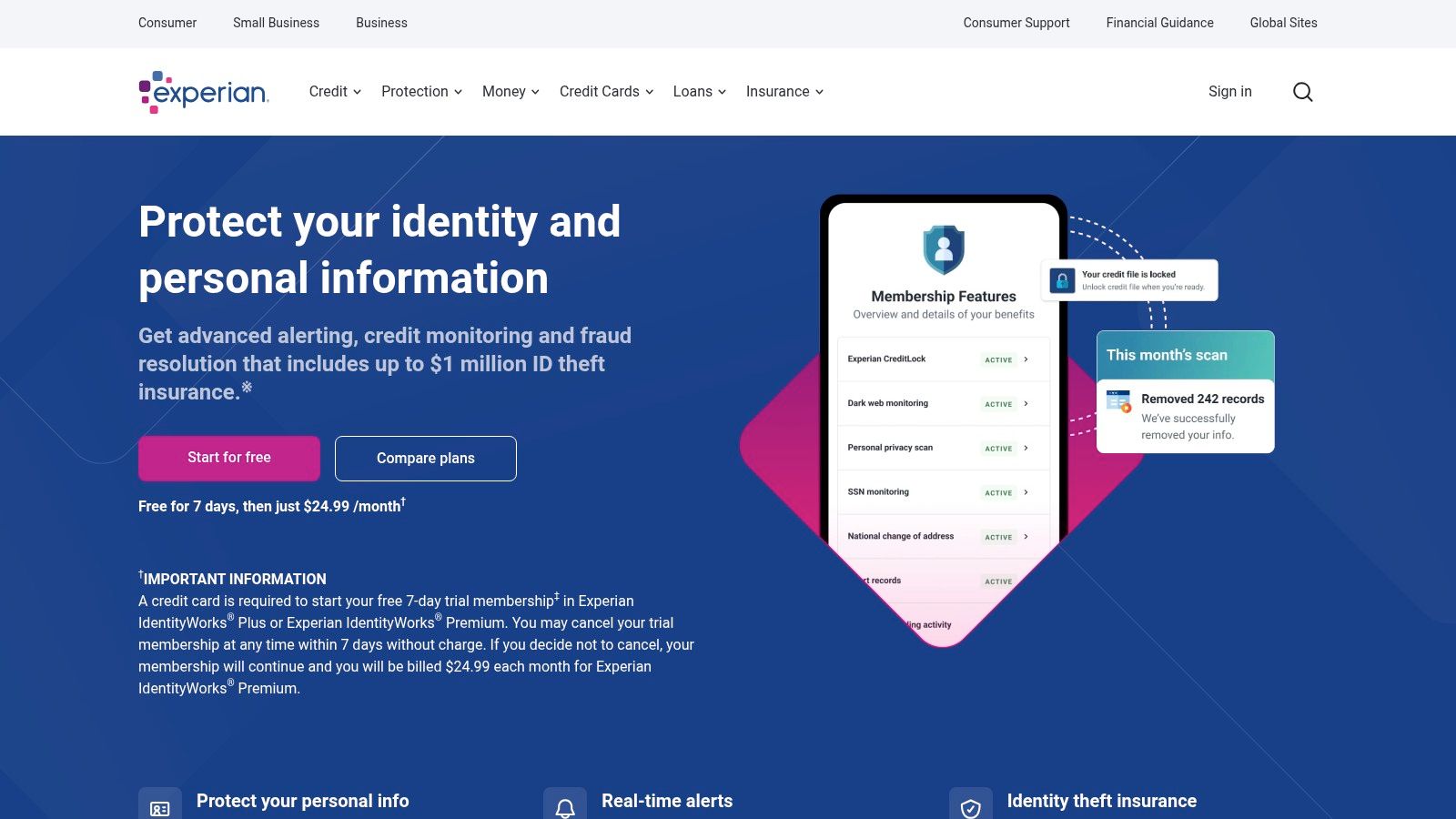
Experian IdentityWorks appeals to a certain kind of buyer. They trust bureau-native tools more than a general identity protection brand, and they want their identity monitoring tied closely to credit-file controls.
That preference makes sense. If credit fraud is your biggest concern, going directly to a major bureau can feel more concrete than buying a service that wraps many features together.
Best for credit-focused users
NerdWallet’s 2026 review highlights why Reddit users so often start with freezes instead of subscriptions. Credit freezes at the major bureaus are free and help block new-account fraud before it happens, while monitoring alerts usually arrive after the event has started. Experian IdentityWorks fits best when you want paid monitoring layered on top of those basic credit controls, not instead of them.
It’s a cleaner choice than an all-in-one suite if your priority is bureau-linked visibility and credit-file management. It’s a weaker choice if you want extras like a VPN, antivirus, or broader privacy tools.
If you’ve already noticed odd account behavior, sudden lockouts, or unfamiliar inquiries, it helps to compare those warning signs against a guide on signs your identity has been stolen. That can help you decide whether you need simple monitoring or active restoration support.
9. Zander Identity Theft Solutions
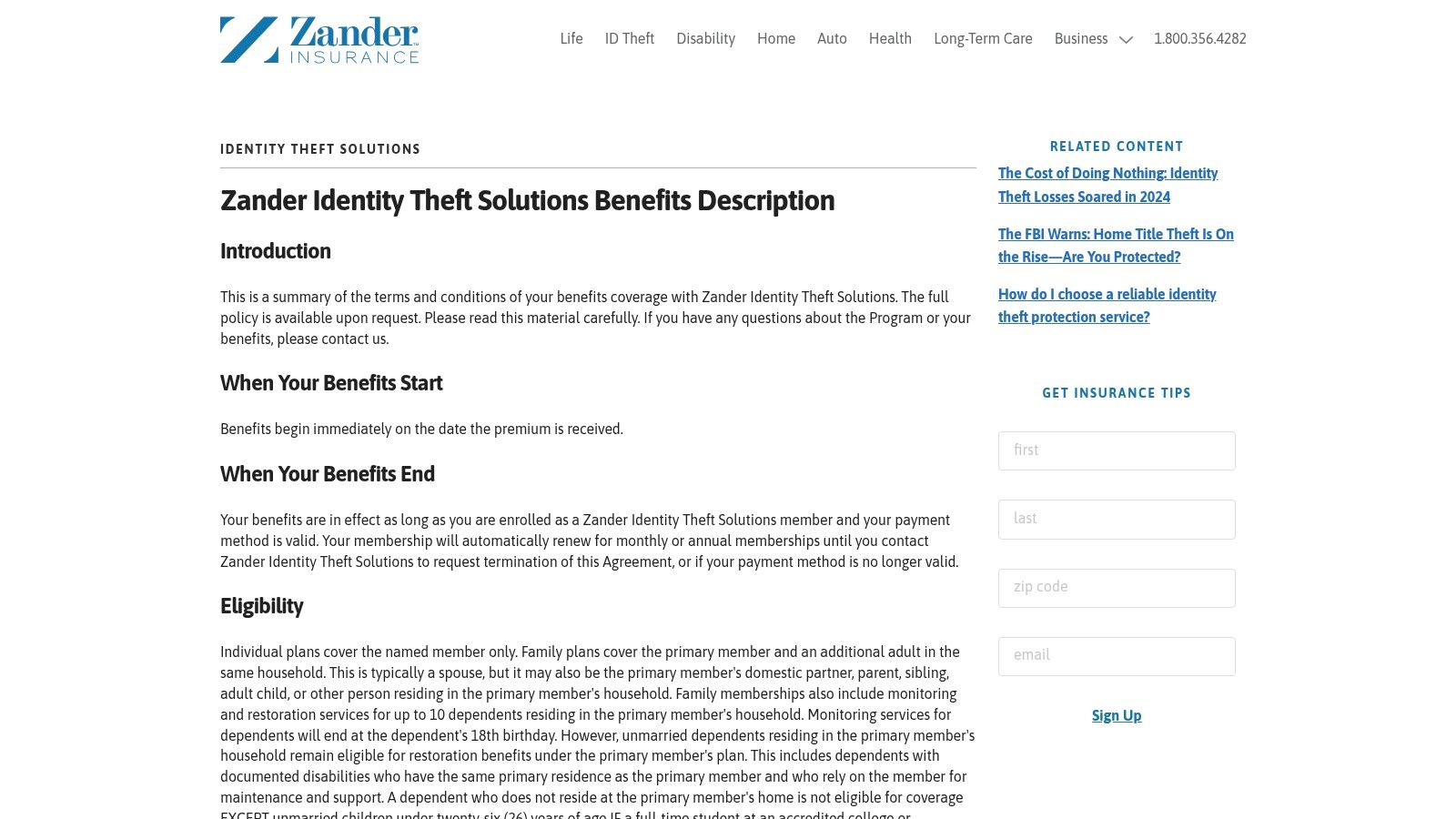
Zander has a loyal niche among Reddit users who hate overpaying for features they don’t want. If you read enough budget-focused threads, you’ll notice a pattern. Some people don’t want the premium dashboard, device bundle, or endless upgrade ladder. They want restoration help and a basic safety net at a lower cost.
That’s where Zander fits. It’s often treated as the frugal option.
Why people choose it
Zander’s appeal is simplicity. The service focuses on core identity theft support, monitoring, and remediation rather than trying to become a full cybersecurity suite. For a lot of practical users, that’s enough.
This is also where Reddit skepticism can be healthy. If you’ve already frozen your credit, hardened your passwords, and reduced your public exposure, you may not need a premium plan. A lower-cost service centered on restoration might be the sensible middle ground.
- Budget-friendly posture: Good for people who want the basics without premium bells and whistles.
- Straightforward positioning: Easier to understand than heavily tiered competitors.
- Best as a supplement: It works better when you’ve already done the preventive work yourself.
If your threat model is mostly financial fraud and account recovery, Zander can be enough. If you want a more expansive digital privacy toolkit, it will feel limited.
10. IDShield

A common Reddit scenario goes like this. Someone has already frozen their credit, set fraud alerts, and cleaned up weak passwords, but they still worry about the part that starts after fraud is detected. Who makes the calls, files the paperwork, and keeps pushing until accounts are fixed?
IDShield stands out because it centers that recovery process. Its pitch is less about a flashy dashboard and more about hands-on restoration support, including access tied to licensed private investigators. For readers comparing paid protection with DIY methods, that difference matters. Monitoring tells you smoke is in the house. Restoration help is the person helping you put out the fire and document the damage.
Where it shines
Reddit users who mention IDShield usually focus on the human support side. That makes it appealing for people who do not want to manage disputes alone if a thief opens accounts, reroutes mail, or misuses personal details in ways that are messy to reverse.
As noted earlier in the article, IDShield sits in the higher-support part of the paid market, with three-bureau monitoring on upper tiers and insurance tied to restoration and recovery. That puts it in a different category from bare-bones alert services. You are paying for response capacity, not just more notifications.
Security.org’s best identity theft protection ranking also points out a broader shift in this market. Stronger services now try to catch partial matches, synthetic identity fraud, and family-level risks instead of looking only for an exact match on a Social Security number or account. That is useful because identity theft often works like a puzzle assembled from scattered pieces. A stolen email here, an old address there, a leaked phone number somewhere else. Criminals do not need the full file to cause trouble.
IDShield makes the most sense for someone who values guided recovery over a wider device-security bundle. If your Reddit-style conclusion is, “I can handle some prevention myself, but I want real backup if things go sideways,” it is an option worth shortlisting. If you want privacy cleanup, OSINT-style exposure discovery, or a broader cybersecurity package, it may feel narrower than some competitors.
Top 10 Identity Theft Protection Comparison
| Product | Core features ✨ | Quality ★ | Price / Value 💰 | Target audience 👥 | USP 🏆/✨ |
|---|---|---|---|---|---|
| Digital Footprint Check 🏆 | ✨ 500+ sources, breach & social audits, gaming account discovery, DIY remediation | ★★★★☆ fast, privacy-first | 💰 Free checks + optional subs; Family & Enterprise | 👥 Individuals, job seekers, HR, families, gamers | 🏆 Recommended, instant OSINT reports, privacy-first & actionable remediation |
| Aura | ✨ 3‑bureau credit, data‑broker removals, VPN, password manager, antivirus | ★★★★ reliable bundle | 💰 Mid-tier bundled value | 👥 Families, device-security seekers | ✨ All‑in‑one credit + device security bundle |
| Norton LifeLock | ✨ Restoration specialists, optional Norton 360 bundle, wide monitoring | ★★★★ established | 💰 Complex tiers; higher renewals | 👥 Consumers wanting deep monitoring & device protection | ✨ Long track record + layered protection options |
| IdentityForce | ✨ Dark web, social & account monitoring, strong restoration | ★★★★ solid support | 💰 Mid-range pricing | 👥 Families, budget‑value seekers | ✨ Strong restoration & family coverage value |
| Identity Guard | ✨ AI-assisted monitoring, lower-cost entry tiers | ★★★☆ budget-friendly | 💰 Low starting price; fewer extras | 👥 Budget-conscious individuals & families | ✨ AI risk guidance with affordable plans |
| IDX Identity | ✨ Dedicated recovery specialists, breach-response expertise | ★★★★ hands-on | 💰 Often provided via employers/partners | 👥 Breach-affected consumers & employer programs | ✨ Proven breach-response & hands-on recovery |
| Allstate Identity Protection | ✨ Tri‑bureau on higher tiers, HSA/401(k) fraud reimbursement | ★★★★ broad | 💰 Competitive for employer plans | 👥 Families, employees via benefits | ✨ Employer-benefits strong; specific account fraud coverage |
| Experian IdentityWorks | ✨ Experian-native credit tools, credit lock/freeze help | ★★★★ bureau-integrated | 💰 Good for credit-focused users | 👥 Users wanting direct credit-bureau controls | ✨ Tight integration with Experian credit services |
| Zander Identity Theft Solutions | ✨ Restoration & insurance focus, basic monitoring | ★★★ value-oriented | 💰 Very low ongoing cost | 👥 Frugal buyers seeking core protection | ✨ Cheapest simple restoration + insurance option |
| IDShield | ✨ Licensed PI restoration, one- or three-bureau options | ★★★★ predictable | 💰 Steady renewal pricing; family value | 👥 Families & users wanting predictable costs | ✨ Licensed private investigators for restoration |
How to Choose Your Action Plan for Identity Protection
A fraud alert can turn an ordinary morning into a checklist you did not plan to have. You check your bank app, change a password, open your credit report, and then hit the harder question. What should you do first, and what actually helps?
Reddit threads are useful here because they often cut through marketing claims. The advice usually follows a practical order. First reduce the easiest risk to exploit. Then find out what information about you is already floating around online. After that, decide whether a paid service fills a real gap.
A credit freeze is the clearest starting point for many people. It is free at the major bureaus, and it can stop someone from opening new credit in your name. Credit monitoring helps in a different way. It works like an alarm that tells you something changed. A freeze works more like a locked door.
The next step is understanding your digital footprint.
That phrase can sound abstract, so here is the plain version. Your digital footprint is the trail of details connected to you across the internet: old usernames, people-search listings, breach exposures, public records, reused emails, and phone numbers attached to old accounts. OSINT, or open-source intelligence, is the process of gathering those public clues. In practice, it means checking what a scammer could learn about you without hacking anything.
This is the part many standard review roundups skip, but Reddit users bring it up often. They tend to ask two separate questions. What can strangers already find about me? What service, if any, should I pay for to watch for misuse and help me recover? Keeping those questions separate makes the buying decision much clearer.
It also explains why DIY methods and paid plans are not opposites. They solve different parts of the problem.
If your exposure is mostly public data, reused usernames, or old breach records, a footprint check gives you a starting map. If your concern is ongoing alerts, reimbursement coverage, or having someone help clean up the mess after fraud, a paid identity theft protection plan may be worth it. The strongest approach is often layered: freeze credit, tighten weak accounts, remove exposed data where possible, then add a service if you want monitoring and restoration help.
The right choice depends on the kind of help you want. Aura may fit someone who wants identity monitoring and device protection together. Norton LifeLock appeals to people who prefer a familiar brand and a wider feature menu. IdentityForce, Identity Guard, and IDX Identity focus more on monitoring and recovery support. Experian IdentityWorks is a logical fit if your main concern is your credit file. Zander is the budget option for many people who want basic restoration support. IDShield stands out for hands-on recovery help.
Cost matters too. A lower-priced plan you understand and keep active usually does more good than a pricier one with settings you never finish.
If you are still unsure, use a simple order. Start with visibility. Then put basic barriers in place. Add paid support only where it saves time, reduces stress, or covers a risk you cannot easily handle yourself. That approach lines up with the practical tone found across Reddit discussions, and it also fits smarter financial crime prevention strategies.
As noted earlier, Digital Footprint Check can help with that first visibility step by showing exposed profiles, breach data, public records, and other traces tied to your email, phone number, or usernames.